 Skip to content

Top Neurostimulation Devices in the USA for Pain and Wellness
Struggling with chronic pain or treatment-resistant depression can feel isolating, but Best neurostimulation devices USA provides a solution by delivering targeted electrical pulses to specific nerves or brain regions. These wearable or implanted devices work by modulating neural activity to interrupt pain signals or restore healthy mood regulation. Users typically receive a prescription and follow a clinician-guided protocol for daily or on-demand sessions to achieve symptom relief without systemic medication. The primary benefit is a non-invasive or minimally invasive option for restoring function and improving quality of life when other therapies have failed.
Top-Tier Neurostimulation Devices: A 2025 Buyer’s Map for the U.S. Market
If you’re hunting for the best neurostimulation devices USA, the 2025 buyer’s map for top-tier gear focuses on prescription-strength units for chronic pain, migraine, or mood regulation. Leading picks include the Nerivio (migraine armband), the Cefaly Duo (headband for pain and prevention), and the Fisher Wallace Stimulator (depression and anxiety). Q: What’s the main difference between these top-tier devices? A: Design and targets—Nerivio runs via smartphone and hits migraines, Cefaly uses cranial nerve stimulation, while the Fischer Wallace uses bipolar microcurrents on the temples for broader mood support. For USA buyers, check compatibility with your condition and insurance reimbursement options before buying.
FDA-Cleared vs. Off-Label Options: What Every American User Should Know
When evaluating neurostimulation devices, a critical distinction is FDA-Cleared vs. Off-Label use. An FDA-cleared device has been reviewed for safety and efficacy for a specific condition, such as chronic pain or depression. Off-label use means a doctor prescribes a device for a condition not listed in its clearance, which is legal but carries less regulatory oversight. Off-label applications often rely on smaller studies or clinical judgment. Q: How can I verify if a device is FDA-cleared for my condition? Check the FDA’s 510(k) database online using the device’s model number—or ask the manufacturer directly for its clearance letter. Prioritize FDA-cleared options when treating your primary diagnosis, as they have formal proof of safety and effectiveness.
How Prescription Requirements Shape Access Across States
Across the U.S., your ability to purchase top-tier neurostimulation devices hinges on state-specific prescription regulations that create a fragmented access map. In some states, a general physician’s script unlocks a device like an alpha-stim or Fisher Wallace. Others, however, mandate specialist referrals—often a neurologist or psychiatrist—
- first verifying your diagnosis meets state-defined criteria
- then issuing a prescription tied to that specific device model
- and finally approving refills only from in-state providers
This forces buyers to navigate local formulary limits, sometimes requiring a telehealth appointment with a licensed local doctor to bypass costly out-of-network hurdles. A device cleared in Florida might require a separate, state-approved prescription for a Texas resident, directly dictating who can access which unit and when.
Over-the-Counter Neurostimulators Gaining Pharmacy Shelves
Over-the-Counter Neurostimulators Gaining Pharmacy Shelves now offer accessible, non-prescription relief for mild chronic pain and anxiety, typically via low-strength cranial or peripheral dual-channel tDCS and TENS units. These devices, such as the Omron Avail and NeuroSky Focus, require no consultation and are sold behind counters for immediate purchase. Their efficacy remains most pronounced for localized muscle tension rather than deep neurological conditions, and packaging clearly labels contraindications like active implants or epilepsy. Users must select models with adjustable intensity and automatic shut-off to ensure safety without professional oversight.
Over-the-Counter Neurostimulators Gaining Pharmacy Shelves provide immediate, self-administered relief for minor conditions, but buyers must check for contraindications and adjustable settings to match specific user needs.
Leading Brands Reshaping Pain Management Through Electrical Stimulation
Boston Scientific offers the Spectra WaveWriter system, which uses multiple waveforms to target both chronic back and leg pain. Abbott provides the Proclaim platform with BurstDR stimulation, designed to mimic the brain’s natural firing patterns for a paresthesia-free experience. Medtronic’s Intellis device allows patients to adjust therapy cycles for breakthrough pain through a smartphone app. Real-world effectiveness often depends on precise lead placement during the trial period rather than brand alone. These systems are implanted devices, not wearables, and require a surgical procedure to manage conditions like failed back surgery syndrome or complex regional pain syndrome.
Quell: Wearable Relief for Chronic Pain Without Pills
Among the leading neurostimulation devices USA, Quell offers drug-free relief by targeting chronic pain through high-frequency electrical pulses delivered via a wearable calf band. Its FDA-cleared technology activates the body’s natural pain modulation system, reducing discomfort without pills. Users control intensity with a simple app, and the device automatically adjusts during sleep for continuous support. Quell’s rechargeable battery lasts up to 40 hours per charge, providing reliable all-day pain management.
- Worn discreetly on the upper calf, stimulating nerves to block pain signals
- App-controlled with customizable intensity levels for individual comfort
- Designed for back, knee, foot, and neuropathic pain without medication
- Long battery life supports uninterrupted relief during daily activities and sleep
NeuroMuscular TENS Units: Top-Rated Models for Home Clinics
For home clinics, top-rated NeuroMuscular TENS units like the combo TENS and EMS stimulators from Omron and Auvon deliver precise, programmable pulse widths to target muscle fatigue and spasms. The TruMedic TENS-7000 offers dual-channel output with adjustable intensity, while the iReliev iStim provides preset protocols for post-workout recovery. These devices feature lead wires and reusable gel pads optimized for home use. The AUVON iTech model includes a wrist strap for controlled application. Each unit operates within FDA clearance for over-the-counter pain management, ensuring clinical-grade results without prescription.
Top-rated NeuroMuscular TENS units integrate dual-channel outputs and preset protocols for direct muscle recovery in home clinics, ensuring precise intensity control.
Fisher Wallace vs. Alpha-Stim: Comparing Cranial Electrotherapy Stimulators
When comparing Fisher Wallace vs. Alpha-Stim for cranial electrotherapy, the core distinction lies in waveform design and application. Fisher Wallace delivers a biphasic, symmetric square wave at 100 Hz and 4 mA, targeting stress and insomnia with broader electrical distribution. Alpha-Stim employs a unique, low-frequency (0.5 Hz), asymmetrical waveform at a microcurrent level below 500 µA, which is often preferred for acute anxiety or pain with fewer reported skin sensations. Users typically choose Fisher Wallace for daily mood maintenance, while Alpha-Stim shines during episodic symptom spikes. The Fisher Wallace’s longer daily session (20 vs. 60 minutes) also shapes user compliance. This direct clinical use comparison highlights how waveform determines the therapeutic fit for home-based cranial stimulation. Both are FDA-cleared, but their different electrical signatures mean practical outcomes diverge between generalized relief and targeted acute intervention.
Omron and Auvon: Budget-Friendly Choices with Solid Reviews
For shoppers seeking value, Omron and Auvon budget-friendly TENS units deliver effective relief without a hefty price tag. Omron’s compact devices, like the PM5000, offer pre-set programs for back and joint pain, earning high marks for simplicity and reliability. Auvon counters with dual-channel units that allow independent intensity control—great for treating two areas simultaneously. Both brands boast thousands of positive reviews praising durability and thync inc ease of use, making them solid entries among the best neurostimulation devices in the USA without breaking the bank.
Q: How do Omron and Auvon stack up against pricier brands?
A: They lack advanced features like smartphone apps or multiple waveforms, but for standard pain management, you get dependable performance at around half the cost. Perfect for daily self-treatment.
Targeted Neurostimulation for Migraine and Headache Relief
For individuals seeking targeted neurostimulation for migraine and headache relief, the most effective USA-approved devices deliver precise electrical or magnetic pulses to disrupt pain signals. The best neurostimulation devices USA include the Cefaly, a transcutaneous supraorbital stimulator worn on the forehead, and the gammaCore Sapphire, a non-invasive vagus nerve stimulator placed on the neck. Another option is Nerivio, a wearable armband controlled via smartphone, which stimulates conditioned pain modulation pathways. These devices offer drug-free relief for both acute attacks and prevention, typically used for 20 minutes daily. Users can operate them without direct medical supervision after prescription, and each is FDA-cleared for specific migraine or cluster headache types.
Nerivio: Smartphone-Controlled Wearable for On-the-Go Treatment
For migraine relief on the go, the Nerivio wearable is a clever armband you control entirely from your smartphone. You strap it on at the first sign of an attack, then use the app to start a 45-minute session. It delivers remote electrical neurostimulation to nerves in the upper arm, which triggers the body’s own pain-blocking pathways—no headgear or wires needed. This makes it ideal for treating acute migraine episodes at work or while traveling, and you can even pause or adjust intensity through the app. It’s discreet enough to wear under a sleeve, so you get relief without anyone noticing.
Nerivio offers a smartphone-controlled armband for discreet, on-the-go treatment of acute migraine attacks.
GammaCore: Non-Invasive Vagus Nerve Stimulation for Cluster Episodes
For abrupt, excruciating cluster episodes, GammaCore delivers non-invasive vagus nerve stimulation directly to the neck, offering a portable handheld option for acute relief in the USA. By applying gentle stimulation to the vagus nerve in the carotid sheath, users can often abort an episode within minutes, reducing severity without medication side effects. This prescription-only device is FDA-cleared specifically for episodic and chronic cluster headache, providing a drug-free alternative during attacks. Its compact design allows immediate self-administration when a cluster strike begins, making it a practical tool for rapid intervention rather than daily preventive use.
Cefaly: The Preventive Headband Clinicians Recommend Most
Cefaly stands out as the go-to device for migraine prevention, widely recommended by clinicians for its simplicity. This headband uses external trigeminal nerve stimulation to calm overactive pain pathways before headaches start. You wear it for a daily 20-minute session, often while relaxing at home. It’s FDA-cleared and requires a prescription, making it a reliable, non-drug option. Many users report fewer migraine days after consistent use. The gel electrode adhesive is easy to replace, and the device itself is compact. For those seeking a proactive approach, it’s a practical first step in targeted neurostimulation.
Cefaly is the preventive headband clinicians recommend most for consistent, daily migraine reduction through gentle nerve stimulation.
Relivion: Dual-Channel Stimulation for Migraine Sufferers
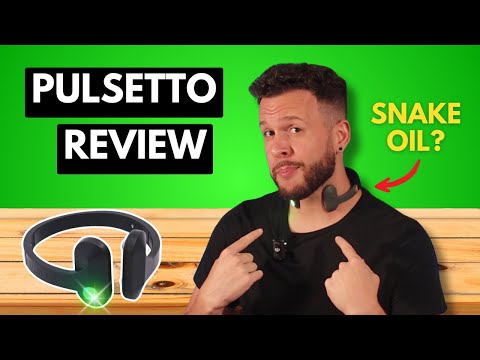
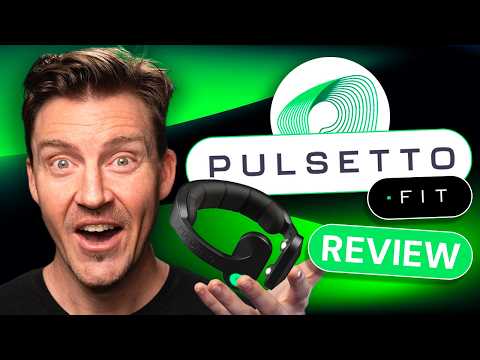
For migraine sufferers seeking advanced relief, the Relivion dual-channel neurostimulation system offers a targeted approach by simultaneously stimulating three occipital nerve branches. This device consists of a wearable headband that delivers electrical pulses to occipital nerves and trigeminal nerve pathways, aiming to disrupt migraine signals at their source. Users typically wear the headband for 20-minute sessions, with many reporting reduced attack frequency over time.
- Dual-channel design stimulates both occipital and trigeminal pathways for comprehensive coverage
- Prescription-based device used at home during migraine onset or for prevention
- Wearable, hands-free headband allows normal movement during treatment sessions
Spinal Cord Stimulators Surging in U.S. Clinics
More U.S. clinics are now offering spinal cord stimulators as a go-to option for chronic back and leg pain. When looking at the best neurostimulation devices in the USA, these systems stand out because they block pain signals before they reach the brain. Quick Q&A: Why are they surging now? Because newer devices are rechargeable and MRI-safe, making daily use far easier for patients. For you, this means trying a stimulator is more practical than ever, often with a trial period to see if it beats pills or surgery.
Boston Scientific Spectra WaveWriter: AI-Driven Adaptive Programming
The Boston Scientific Spectra WaveWriter stands out in the U.S. with its AI-driven adaptive programming that automatically adjusts stimulation in real time. Unlike static settings, the WaveWriter uses machine learning to analyze your body’s feedback—like posture changes or activity levels—and fine-tunes paresthesia-free pain relief. This means you don’t need to fiddle with a remote constantly; the system learns your preferred coverage zones and adapts on the fly. For chronic back or leg pain, this closed-loop response keeps relief consistent whether you’re sitting, standing, or walking. It’s a practical upgrade for those who want personalized, hands-off control without sacrificing comfort.
Abbott Proclaim XR: Recharge-Free Implantable for Long-Term Use
The Abbott Proclaim XR stands out among the best neurostimulation devices in the USA because it completely removes the hassle of recharging. Once implanted for long-term use, this spinal cord stimulator runs on a single battery designed to last up to ten years, letting you forget about weekly charging sessions. Setting up therapy involves a simple sequence: first, the device is placed under the skin; second, you use a wireless tablet to program your personalized stimulation; finally, you adjust settings anytime without extra gadgets. It’s a practical, set-it-and-forget-it option for year-round pain relief.
- Implant the recharge-free pulse generator during a short outpatient procedure.
- Activate and customize your settings using the handheld clinician tablet.
- Enjoy long-term, recharge-free pain management without daily battery upkeep.
Medtronic Intellis: Closed-Loop Systems Adjusting to Real-Time Body Signals
The Medtronic Intellis system revolutionizes pain management through its closed-loop neurostimulation technology, which continuously monitors and adapts to your body’s real-time nerve signals. Unlike static stimulators, the Intellis automatically adjusts stimulation intensity based on your posture and activity, preventing over- or under-treatment during movement. This dynamic responsiveness enhances comfort and efficacy, as the system self-calibrates second-by-second to match fluctuating pain patterns, delivering consistent relief without manual adjustments.
- Automatically modulates stimulation when you sit, stand, or walk
- Uses real-time feedback from spinal nerves to optimize therapy
- Reduces the need for patient-initiated programming changes
Nevro Senza Omnia: High-Frequency Therapy Proven for Complex Pain
For patients in U.S. clinics seeking relief from complex pain conditions like diabetic neuropathy or failed back surgery, the Nevro Senza Omnia system delivers a distinct advantage through its proven high-frequency therapy. Unlike traditional low-frequency SCS, the Omnia’s 10 kHz stimulation directly targets hard-to-treat neuropathic pain without causing the paresthesia (tingling) that many find uncomfortable. This non-paresthetic approach, backed by the SENZA-PDN trial, means users can sleep, drive, and bend freely while therapy runs continuously. Practical programming options let patients toggle between modes for breakthrough pain. Q: Can the Omnia treat pain in the feet and legs without causing tingling? A: Yes—its high-frequency waveform precisely covers lower extremities with zero paresthesia, a key reason U.S. pain specialists recommend it for widespread, complex presentations.
Vagus and Sacral Nerve Stimulation Innovations
The latest innovations in Vagus and Sacral Nerve Stimulation are reshaping how the best neurostimulation devices in the USA address chronic conditions. For vagus nerve stimulation, newer closed-loop systems now automatically adjust pulses in real-time based on physiological feedback, making epilepsy and depression treatments more responsive. Sacral nerve devices have advanced to wireless, miniaturized implants that patients control via a smartphone app, dramatically improving daily management of overactive bladder and fecal incontinence.
A key insight is that combined vagus-sacral protocols are emerging, where a single device platform sequentially targets both nerves to treat overlapping pelvic and neurological disorders.
These updates focus on reducing side effects, extending battery life, and offering precise, patient-specific settings without requiring frequent clinic visits.
LivaNova VNS Therapy: Epilepsy and Depression Devices Widely Used Stateside
LivaNova VNS Therapy stands as a clinically proven neurostimulation solution widely adopted across the United States for managing drug-resistant epilepsy and treatment-resistant depression. The implantable device delivers targeted vagus nerve stimulation to reduce seizure frequency and elevate mood when medications fail. Many patients adjust stimulation intensity using an external magnet, and the device automatically pauses during certain activities. Key advantages include:
- FDA-approved for both epilepsy and depression, offering dual-purpose relief
- Programmable settings allow clinicians to fine-tune pulse width and frequency per patient
- Patients typically report seizure reduction within months of activation
Axonics Sacral Neuromodulation: New Wave for Bladder and Bowel Control
Axonics Sacral Neuromodulation offers a targeted solution for overactive bladder and fecal incontinence by delivering mild electrical pulses to the sacral nerves via an implanted device. Patients control the stimulation through a rechargeable external programmer, adjusting therapy for their daily activities without surgery for battery replacement. The system’s narrow implant profile reduces procedural discomfort, with a two-week trial period to assess symptom improvement before permanent implantation. For best neurostimulation devices USA, this rechargeable sacral neuromodulation system provides long-term bladder and bowel control with minimal interruptions, supporting consistent, user-managed relief from urgency and leakage.
Synapse Biomedical: Stimulators Targeting Innovative Neurological Conditions
Synapse Biomedical leads in innovative neurological condition targeting through its diaphragm pacing stimulators, offering a practical alternative for patients with respiratory muscle weakness. Unlike general nerve stimulators, these devices directly activate the phrenic nerve to restore natural breathing patterns, reducing dependence on mechanical ventilation. The stimulators are implanted minimally invasively, allowing users to maintain mobility and improve speech quality. For conditions like spinal cord injury or ALS, Synapse’s technology provides a user-controlled solution that adapts to daily activity levels, focusing solely on regaining respiratory independence.
- Targets the phrenic nerve specifically for diaphragm pacing, unlike generic vagus or sacral stimulators
- Reduces ventilator dependency through direct respiratory muscle activation
- Enables natural speech and mobility during use with a compact external controller
- Designed for progressive neurological conditions like ALS or high-level spinal cord injury
Wearable and Non-Invasive Options for Mental Health & Sleep
For those seeking non-invasive solutions within the best neurostimulation devices USA market, wearable and non-invasive options for mental health & sleep offer practical, at-home alternatives. Devices like the Halo Sport or Muse headband use transcranial electrical stimulation or EEG-guided audio to modulate brain activity without surgery or needles. Users can apply these headbands daily to target anxiety or insomnia, often pairing them with apps for real-time biofeedback. The focus remains on accessible, low-risk tools that deliver subtle neuroregulation through the scalp, bypassing pharmaceuticals. These wearables prioritize user safety and convenience, making them a leading choice for self-directed cognitive and sleep enhancement.
Apollo Neuro: Vibrational Therapy for Stress and Better Rest
Apollo Neuro uses targeted vibrational therapy to gently nudge the nervous system from a stress response into a state of calm or focused recovery, specifically without requiring electrical stimulation. Worn as a band on the wrist or ankle, its patented sequences of low-frequency vibrations aim to improve heart rate variability and encourage deeper sleep. For users exploring the best neurostimulation devices in the USA, this offers a non-invasive, drug-free method to manage daily stress and enhance rest quality by leveraging the body’s own touch-sensing pathways. Vibrational therapy for stress operates by signaling safety to the brain, making it a practical tool for unwinding before bed or maintaining composure during hectic moments.
Muse S: EEG-Guided Headband Combining Meditation and Light Stimulation
The Muse S headband stands out among best neurostimulation devices USA by combining real-time EEG brain sensing with pulsed light stimulation to deepen meditation. Users place the headband across their forehead and ears, where sensors detect brainwave activity. As the mind wanders, the device adjusts audio feedback—like shifting wind or rain sounds—to guide attention back. This closed-loop system effectively trains the brain to recognize and return to a calm state autonomously. The integrated light stimulation uses gentle, timed LEDs behind closed eyelids to reinforce specific brainwave frequencies, promoting relaxation or focus on demand. For practical daily use:
- Power on and pair via the Muse app.
- Select a meditation session with light stimulation.
- Follow the adaptive audio and visual cues.
- Review post-session EEG data to track neurostimulation meditation progress.
Halo Sport 2: Prime Motor Cortex Stimulation for Athletes and Recovery
For athletes prioritizing recovery, the Halo Sport 2 prime motor cortex stimulation delivers targeted neuropriming before physical training. By applying transcranial direct current stimulation (tDCS) to the motor cortex, it heightens neural plasticity, allowing the brain to strengthen movement patterns more efficiently during practice. This protocol accelerates skill acquisition in sports and amplifies post-workout recovery by optimizing the brain’s response to rehabilitation exercises. Users wear the sleek, portable headset for 20-minute priming sessions, then immediately engage in their sport or therapy routine for peak neuromuscular performance.
- Boosts neuroplasticity to improve motor learning during athletic drills
- Reduces perceived exertion, enabling harder training sessions with faster recovery
- Enhances fine motor skill retention after injury rehabilitation sessions
Thync: Targeted Electrical Cues to Set Mood and Energy Levels
Thync offers a non-invasive method to shift mental states by delivering targeted electrical cues to the trigeminal and occipital nerves via a wearable device. Unlike general neurostimulators, its core function is to modulate mood and energy levels through two distinct preset programs: “Calm” for relaxation and “Boost” for increased alertness. The device administers low-level cranial electrical stimulation through forehead and mastoid electrodes, allowing the user to select a program based on immediate needs without medication. This precise application of targeted electrical cues provides a practical tool for biohackers seeking direct cognitive state control, operating as a portable accessory for acute, session-based mood adjustment rather than long-term therapy.
Neurostimulation for Movement Disorders and Rehabilitation
For managing Parkinson’s tremors or rehabilitating stroke-impaired limbs, neurostimulation for movement disorders relies on devices delivering precise electrical pulses. The best neurostimulation devices USA offer adaptive programming, letting you adjust stimulation intensity via a smartphone app to target symptoms throughout the day. Options like closed-loop systems automatically detect abnormal brain signals and respond in real-time, which helps retrain motor pathways during physical therapy. Relief is typically felt seconds after activation, with minimal side effects like mild scalp tingling. Choose a device with rechargeable batteries and FDA-cleared algorithms for safety and long-term use during rehabilitation sessions.

Deep Brain Stimulation Systems: Medtronic’s Leading Role in Parkinson’s Care
Medtronic’s deep brain stimulation systems remain a cornerstone in Parkinson’s care within the USA, specifically for patients with refractory motor fluctuations. Their Activa™ and Percept™ PC platforms deliver targeted electrical pulses to subthalamic or globus pallidus nuclei, directly modulating pathological neural circuits to reduce tremors and rigidity. A critical advantage is the closed-loop directional lead technology, which allows precise current steering to avoid side effects while maximizing symptom control. The Percept™ PC’s BrainSense™ capability further refines therapy by recording local field potentials during stimulation, enabling clinicians to adjust parameters based on real-time neural feedback. This integration of sensing and stimulation distinguishes Medtronic’s systems for sustained motor benefit in advanced cases.
Q: How does Medtronic’s closed-loop technology improve daily function in Parkinson’s care?
A: By enabling directional current steering and real-time neural sensing, it reduces stimulation-induced adverse effects and optimizes tremor control, allowing patients to maintain more stable motor performance throughout daily activities.

Dorsal Root Ganglion Stimulation: Emerging Precision for Focal Pain Syndromes
Dorsal Root Ganglion Stimulation offers precise targeting for focal pain syndromes resistant to traditional spinal cord stimulation. By directing electrical pulses to specific DRG neurons, this technique bypasses the wide paresthesia coverage of standard leads, delivering relief to discrete regions like the foot, knee, or groin. The minimally invasive procedure places a small lead near the DRG within the spinal canal, reducing off-target stimulation and postural variation.
- Physicians map the affected dermatome via temporary trial stimulation.
- If 50% or more pain relief is achieved, a permanent implant is placed.
- Post-implantation, patients adjust intensity settings using a handheld controller for daily comfort.
This focused approach minimizes side effects like uncomfortable trunk stimulation, making it a pragmatic option for chronic focal neuralgias where mobility and precise activation matter.
Transcutaneous Spinal Stimulation Devices Gaining Clinical Trials
Transcutaneous Spinal Stimulation Devices are rapidly advancing through U.S. clinical trials, positioning them as a leading non-invasive tool for movement recovery. These trials specifically evaluate electrode arrays placed on the skin over the spine to modulate spinal circuitry, aiming to restore voluntary motor control in patients with paralysis or gait impairment. Early-phase studies focus on real-time parameter adjustments to maximize muscle activation without surgery. Spinal cord neuromodulation protocols are being refined for home-use safety and efficacy.
- Trials test precise current intensities to trigger lower-limb muscle contractions during standing or stepping.
- Protocols combine stimulation with task-specific physical therapy to drive neuroplasticity.
- Devices are being optimized for portability, allowing extended use outside clinical labs.
SaeboStim: Electrical Stimulators for Hand and Arm Recovery Post-Stroke
SaeboStim devices deliver targeted neuromuscular electrical stimulation for hand and arm recovery after stroke, using surface electrodes to activate weakened forearm and hand muscles. These stimulators employ preset or customizable stimulation protocols to reduce spasticity and re-educate grasp-and-release patterns. The SaeboStim Micro focuses on peripheral nerve recruitment to improve finger extension, while the SaeboStim Plus combines surface stimulation with functional task practice. Both units offer adjustable pulse width and amplitude, allowing therapists to tailor therapy for flaccid or spastic presentations. Designed for home or clinical use, they provide reproducible sensory cues to support neuroplasticity and voluntary motor return in the affected upper limb.
Key Considerations When Selecting a Device in the United States
When selecting among the best neurostimulation devices in the United States, the primary consideration is clinical indication and physician recommendation, as each device is FDA-cleared for specific conditions like chronic pain, epilepsy, or movement disorders. You must verify insurance coverage and prior authorization requirements, as out-of-pocket costs vary drastically between implantable pulse generators and external units.
Battery type—rechargeable versus primary-cell—directly impacts long-term maintenance and replacement surgery frequency, influencing total cost and convenience.
Additionally, assess the device’s compatibility with your lifestyle, including MRI safety status and programming flexibility, since some models allow remote adjustments while others require in-clinic visits. Always confirm the device’s warranty and manufacturer support network for troubleshooting or replacements in the U.S.
Insurance Coverage Breakdown: Which Plans Reimburse Neurostimulation
Insurance coverage for neurostimulation devices varies significantly by plan. Medicare generally reimburses for FDA-approved spinal cord stimulators for failed back surgery syndrome and chronic pain, while many private insurers, such as Aetna and Cigna, follow similar coverage policies but often require step therapy. Pre-authorization is mandatory for most plans, and private payer reimbursement criteria frequently mandate documented failure of conservative treatments. Medicaid coverage is inconsistent by state. Outpatient services and device trials are typically covered separately, but final implant reimbursement depends on meeting specific medical necessity documentation. Always verify individual plan details directly.
Insurance coverage for neurostimulation hinges on plan type: Medicare covers approved devices with strict criteria, private insurers like Aetna and Cigna require pre-authorization and step therapy, while Medicaid reimbursement varies by state. Always confirm medical necessity documentation and trial coverage.
Battery Life and Rechargeability Tradeoffs Among Popular Models
Among popular neurostimulation devices in the USA, battery life and rechargeability tradeoffs directly impact daily usage and long-term cost. Primary-cell models like the Abbott Proclaim™ offer up to 5+ years without recharging, ideal for patients averse to maintenance, but require surgical replacement when depleted. Conversely, rechargeable systems such as the Boston Scientific Spectra WaveSystem™ demand weekly charging sessions but eliminate replacement surgery. Rechargeable models typically provide 10–25 years of device life with proper cycling, though battery degradation over time may shorten runtime between charges. The selection sequence follows patient preference:
- Assess tolerance for routine charging versus surgical battery swaps.
- Consider stimulation needs—high-energy therapies drain rechargeable batteries faster, reducing interval between charges.
- Evaluate long-term cost: non-rechargeable batteries incur replacement procedure expenses, while rechargeable units have upfront higher device costs but lower maintenance burden.
Telehealth Consultations Driving Remote Prescription Opportunities
Telehealth consultations now directly enable remote prescriptions for neurostimulation devices, making device choice critical for virtual follow-ups. A device with integrated remote prescription capabilities ensures your physician can adjust settings during a video call without an in-office visit. Look for models offering mobile app control that syncs with telemedicine platforms, allowing real-time parameter modifications. This functionality streamlines titration and reduces delays, so your treatment plan evolves efficiently from home. Prioritizing devices with secure, telehealth-compatible prescription logs ensures your history remains accessible for remote adjustments.
Telehealth consultations drive remote prescription opportunities by enabling real-time, app-based device adjustments during virtual visits, making neurostimulation management seamless from home.
Patient Reviews Versus Clinical Data: Decoding Real-World Effectiveness
Clinical trial data establishes efficacy but often excludes real-world variables like fluctuating device programming, skin sensitivity, or lifestyle demands. Patient reviews fill this gap by exposing day-to-day frustrations—such as charger interference with physical therapy or electrode adhesion failure during sleep—that controlled studies ignore. A device with strong trial results may underwhelm if users consistently report painful recharging or limited MRI compatibility. Decoding real-world effectiveness requires cross-referencing peer-reviewed outcomes with patient forums, where unvarnished feedback on comfort, battery longevity, and daily usability emerges. Neither source alone paints the full picture: clinical data proves performance under ideal conditions, while reviews reveal whether that performance holds up in your life.
| Clinical Data | Patient Reviews |
|---|---|
| Controlled setting, limited variables | Uncontrolled daily use, varied habits |
| Short-term follow-up (weeks/months) | Long-term experience (years) |
| Objective efficacy metrics | Subjective comfort and convenience |
| Standardized protocols | Individualized usage patterns |
Where Americans Purchase Neurostimulation Devices Safely
Americans seeking the best neurostimulation devices safely should purchase directly from the device manufacturer’s official website or from authorized specialty medical device retailers like Neuromodulation Solutions. These sources guarantee genuine, FDA-cleared products, unlike third-party marketplaces. Q: Where can you safely verify a seller’s authorization? A: Check the manufacturer’s website for a list of approved distributors or contact their customer support directly. Buyers should also confirm the retailer offers a return policy and device support, as safe use depends on proper product provenance. Avoiding auction sites and unverified online stores is essential to prevent counterfeit devices.
Direct-from-Manufacturer Portals vs. Major Online Retailers
When choosing between direct-from-manufacturer portals and major online retailers for neurostimulation devices, the primary trade-off involves authenticity guarantees versus convenience. Buying directly from the manufacturer ensures verified device authenticity and access to full warranty support, as there is no third-party handling. Major online retailers offer faster shipping and easier returns, but you risk encountering unauthorized sellers or refurbished units. Only direct portals typically provide firmware updates and personalized calibration guidance included with the purchase.
Q: Which option offers better long-term support for neurostimulation devices?
A: Direct-from-manufacturer portals, because they maintain your device’s serialized support history and can push critical software patches automatically, whereas major retailers treat the sale as final with no post-purchase technical assistance.
Specialty Medical Supply Chains and DME Providers
For safe purchase of top-rated neurostimulation devices in the USA, specialty medical supply chains and DME providers function as the primary distribution channel for prescription-grade units. These DME suppliers verify device compatibility with your specific implanted lead configuration, ensuring only FDA-cleared generators and accessories are dispensed. Unlike retail or online marketplaces, these chains maintain direct contracts with manufacturers (e.g., Boston Scientific, Abbott), guaranteeing authentic hardware and firmware updates. They manage insurance authorization for rental or outright purchase, with clinical technicians on staff to confirm proper settings before shipment. Reputable chains also offer sterile replacement electrodes and charge cables, preventing cross-contamination or voltage mismatches from third-party parts.
Secondhand Market Risks and Warranty Considerations
Buying a neurostimulation device secondhand carries significant risks. Used units often lack critical calibrations, may have hidden internal damage, or could be counterfeit. Without original proof of purchase, manufacturers universally void warranty considerations, leaving you responsible for costly repairs. Counterfeit electrodes can deliver incorrect pulse patterns, worsening your condition.
Q: Can I get a warranty on a secondhand neurostimulation device? A: Nearly always no. Transferable warranties are exceptionally rare; most manufacturers tie coverage strictly to the original buyer’s receipt and registration. You assume full liability for defects.
Clinical Trials Offering Early Access to Next-Generation Units
For those seeking cutting-edge relief, clinical trials offering early access to next-generation units provide a direct pathway to devices not yet commercially available. These trials, conducted at leading US medical centers, allow patients to use advanced neurostimulation prototypes under expert supervision, often at reduced or no cost. Participation involves strict screening, regular monitoring, and compliance with protocol-specific usage. This real-world access lets users evaluate novel parameter settings or electrode configurations before public release, delivering a tangible advantage over standard models on the market.
Clinical trials offering early access to next-generation units let patients safely test and benefit from unapproved neurostimulation technology through structured medical research.
