 Skip to content

Experience the Thrill of Live Casino Games With Real Dealers and Instant Play

Imagine settling into your favorite chair at home while a real dealer shuffles cards on your screen, and you place your bet just as you would at a physical table. A Live casino streams actual tables with professional croupiers in real time, letting you watch every move and interact through chat while you play. You simply join a session, choose your seat, and use on-screen controls to wager, hit, stand, or spin — all synchronized with the dealer’s actions. This format delivers the authentic social energy and transparency of a brick-and-mortar floor, with real-time human interaction at the core of every game.
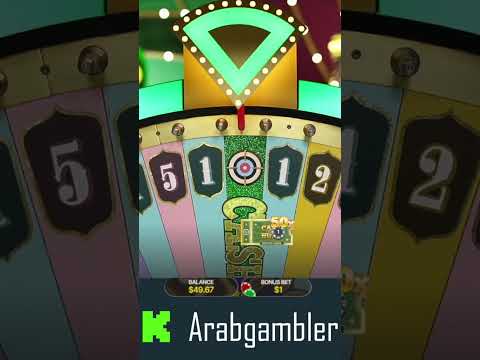
What Exactly Is a Live Dealer Casino Experience?
A live dealer casino experience bridges the gap between online play and a physical venue by streaming a real human dealer directly to your device in real time. You’re no longer facing a random number generator; instead, you watch a professional shuffle, deal, and spin actual cards or wheels via HD video. Through a live chat interface, you place your bets on a digital table layout while the dealer acts on them instantly, creating a social, authentic atmosphere. This format gives you the convenience of playing from anywhere with the trust and interaction of a brick-and-mortar casino floor. For players seeking genuine gameplay, the live dealer casino experience is unmatched because it combines real-world mechanics with modern digital accessibility, making every hand or spin feel personal and immediate.
How Live Streaming Technology Recreates the Land-Based Floor
Live streaming technology recreates the land-based floor by using multiple 4K cameras positioned at precise angles, capturing the physical dealer’s gestures, chip movements, and card shuffles in real time. Optical character recognition (OCR) software translates every action into data that appears instantly on your screen, while low-latency video feeds preserve the natural rhythm of a brick-and-mortar table. Dedicated studios are built to mimic casino lighting, felt textures, and background acoustics, so the visual and auditory cues match a physical venue. A pit-boss view camera angle lets you see the entire table layout, replicating the peripheral awareness you would have sitting at a real felt.
The Core Difference Between Software RNG Games and Real-Time Human Dealers
The core difference between software RNG games and real-time human dealers lies in the source of the outcome. With RNG software, a computer algorithm instantly determines each result, making the pace mechanical and the process invisible. In contrast, a live dealer experience replaces that hidden code with visible, physical actions—shuffling, dealing, and spinning—performed in real time. This transparency builds trust, as you witness the game unfold rather than trusting a black box. Additionally, human dealers introduce a dynamic social rhythm, adapting their speed to the table’s vibe, whereas software follows a rigid, unfeeling tempo. That human element transforms the game from a solitary click-through into a shared, interactive event.
Which Table Games Are Available in a Live Setting
When you jump into a live dealer lobby, the table games you’ll find are the classics, streamed in real time. Blackjack is the undisputed king, with multiple camera angles and side-bet options. Roulette follows closely, offering European, American, and even lightning-fast auto-versions with a real wheel. Baccarat is everywhere, perfect for both low rollers and high-stakes players, with squeeze modes for extra drama. You’ll also see poker variants like Casino Hold’em and Three Card Poker, plus game-show-style tables like Monopoly Live. **Live dealer table game variety** usually depends on your chosen operator, but these staples are almost guaranteed. Which live dealer table games are most popular? Blackjack, roulette, and baccarat dominate every live casino’s schedule.
How to Join a Live Table and Start Playing in Minutes
You spot an open seat at a bustling live casino table, and within seconds, the dealer nods your way. Joining is simpler than ordering a coffee—just tap the “Live Casino” lobby, filter by stake or game type, and select a table with a green “Join” button. Instant play kicks in automatically; no downloads, no lag, just a smooth video stream where your chips appear on the felt. Your first bet counts immediately after the betting timer restarts, so you’re never stuck waiting. If the table’s full, hit the “Waitlist” icon and you’ll be swapped in the moment a player busts out. Between hands, the chat box lets you greet the dealer, and your balance updates live on screen—so from clicking “Join” to hearing the shuffle, you’re playing in under three minutes.
Step-by-Step: Choosing a Game, Placing a Bet, and Interacting with the Dealer
To begin, scan the live lobby and filter by provider or table limits, selecting a game like blackjack or roulette that matches your bankroll. After clicking in, locate the virtual betting grid; place chips by selecting a denomination and clicking the designated spot before the countdown ends. Once bets lock, the dealer proceeds, and you interact via a chat panel—typed messages often elicit verbal responses, while on-screen buttons handle actions like “Hit” or “Stand” seamlessly. For roulette, simply announce “spin” through the interface, and the dealer acknowledges before activating the wheel. casinos not on gamstop This structured flow minimizes friction, ensuring your focus stays on strategy rather than navigation.
Choosing a game, sizing your bet on the grid, and using chat or action buttons to communicate with the dealer form the entire interactive loop of a live table, executable within seconds.
Understanding Betting Limits, Timers, and Seat Availability
Before joining a live table, scan the displayed betting limits and seat availability to ensure they match your bankroll. Each table shows minimum and maximum bets, often split by position (e.g., ante vs. side bets), and you must click a seat icon that is not grayed out to reserve it. Once seated, a countdown timer appears for every decision—usually 15 to 30 seconds—forcing you to place chips before it hits zero or you forfeit the round. If all seats are full, you can join a waiting list, and the system auto-invites you when a spot opens. Q: What happens if my bet timer expires? A: Your hand is folded or skipped automatically, and you must wait for the next betting round to rejoin.
What You Need in Terms of Internet Speed and Device Compatibility
To join a live table and start playing in minutes, you need a stable internet connection of at least 10 Mbps download speed; anything lower risks freezing the dealer’s stream mid-hand. A wired ethernet connection beats Wi-Fi for latency, but modern 5GHz Wi-Fi works flawlessly if your router is nearby. For device compatibility, any relatively recent smartphone, tablet, or laptop—running iOS 14+, Android 10+, Windows 10, or macOS Monterey—will run the HD video feed without issues. Older devices with less than 4GB of RAM may struggle with multiple camera angles, so check your available memory before buying in. Browser-based play needs an updated Chrome, Safari, or Edge; most top-tier casinos also offer dedicated apps that are optimized for live table performance on both mobile and desktop. Ensure your device supports HTML5 video streaming, and you’re ready to act instantly.
Key Features That Elevate the Real-Time Gaming Experience
Real-time gaming in live casino hinges on multi-angle HD streams, letting you switch between table-wide, dealer, and card-level views to verify every action instantly. Low-latency chat with the dealer adds a human layer, but the true elevator is interactive betting controls—live statistics overlays, bet-history rewind, and one-tap rebet functions that keep decision-making fluid between hands. Features like auto-pilot betting rules or dynamic payout multipliers on side bets inject urgency without breaking immersion.
Seek tables offering game-state synchronization: your UI must update with the dealer’s physical shuffle and reveal with zero perceptible delay—otherwise, the “real-time” promise collapses.
Finally, picture-in-picture replays during quick rounds and haptic/audio cues for turn prompts sharpen focus, ensuring every second of the live session feels responsive and controlled.

Live Chat with Dealers and How to Use It for a Better Session
Live chat with dealers is a direct line that shapes the flow of your session, so use it strategically. Before the action starts, greet the dealer and ask about table etiquette or speed preferences to align with their style. During play, use quick, polite phrases to request a reshuffle or a slower dealing pace, which can help you track decisions without pressure. If you are unsure of a payout or rule interpretation, type a clarifying question immediately, as dealers can resolve doubts in real time and prevent costly missteps. For a smoother interaction, keep messages concise and avoid side conversations, since the dealer’s attention is split across players. This focused engagement turns chat into a practical tool for session control, not just social filler.
Camera Angles, Slow-Motion Replays, and Side Bets Explained
Camera angles in live casino aren’t just for show—they switch between dealer close-ups, table-wide views, and card reveals so you never miss a beat. When a win or loss feels chaotic, slow-motion replays break down the exact moment the cards fell, helping you verify outcomes and spot patterns without rewinding manually. Side bets shake things up by letting you wager on bonus outcomes like a suited pair or a dealer bust, often decided instantly via the same camera feed. Here’s how they work together: first, the main bet resolves; then, slow-mo highlights the critical card; finally, side bets pay out based on that replay’s evidence. This trio keeps every session transparent and thrilling.
Game Show Variations and Specialty Rounds You Won’t Find on a Standard Floor
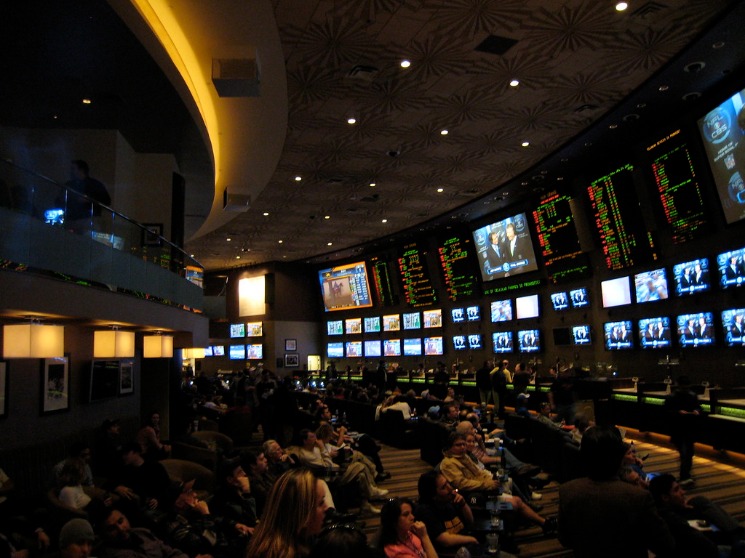
Beyond the classic tables, live casino really shines with game show variations and specialty rounds you simply won’t find on a standard floor. Think *Crazy Time*’s bouncing wheel or *Monopoly Live*’s 3D board, where a host spins and you bet on bonus segments. You’ll also stumble on *Deal or No Deal* boxes, *Cash or Crash* ladders, and even *Snakes & Ladders* in real time. Unlike blackjack, these aren’t about strategy—they’re about pure, chaotic fun. Specialty rounds often trigger multipliers, free spins, or interactive pick-a-prize moments, letting you feel like a contestant rather than just a player. It’s a totally different energy, mixing luck with showmanship.
Practical Tips for Getting the Most Out of Every Session
To maximize every live casino session, set a strict loss limit and time cap before the first hand—this forces discipline when adrenaline runs high. Prioritize tables with slower gameplay so you can analyze dealer patterns and react deliberately instead of rushing bets. Always review the session’s statistics on your player dashboard, then adjust your stake size for the next game based on actual win/loss streaks, not gut feeling.
Never chase a losing streak by doubling bets; instead, switch tables or game variants to reset your mental rhythm.
Finally, use only the live chat for rule clarifications with the dealer, not for distraction—every second of the live feed is actionable data, so keep your focus on the cards and your bankroll meter.
Bankroll Management Strategies Specific to Live Dealer Tables
At live dealer tables, session-based bankroll caps are non-negotiable because the human dealer slows each round, tempting you to chase losses during idle time. Allocate a fixed amount per 30-minute block, and divide it into 10–15 flat bets regardless of streaks. Since live tables often have higher minimums, never wager more than 2% of your total bankroll on a single hand. Track virtual “buy-ins” separately from your physical cash to avoid dipping into rebuy funds. If you lose three consecutive hands, step away for five minutes; the pace of live shuffling can mislead you into overbetting. House edge exposure increases with every extra side bet, so skip them entirely.
Q: What is the best way to reset bankroll mid-session at a live dealer table?
Cash out all chips after 30 minutes, recalculate your remaining session limit, and only rebuy if you still have 70% of your original capital left—never top up after a loss streak.
Observing Dealer Patterns and Table Flow Before Committing
Before wagering real money, spend ten minutes observing the live dealer’s rhythm and the table’s flow. Note how the dealer handles shuffles, cuts, and payout speeds—consistent pacing often signals a smooth session, while erratic pauses may hint at procedural quirks. Watch win streaks: are they clustering at certain seats or alternating? This isn’t about prediction but about timing your entry to align with a stable, less chaotic table. Also, check betting limits during peak vs. slow hours—table flow dynamics shift with player count, affecting decision time. Only commit once you’ve mapped these patterns.
Observing dealer patterns and table flow before committing lets you enter with strategy, not impulse, reducing variance and maximizing session value.
Choosing the Right Table Based on Your Skill Level and Preferred Pace
Choosing the right table in a live casino hinges on matching the dealer’s speed and the minimum bet to your experience. Beginners should prioritize tables with lower stakes and slower dealers, allowing time to process each decision without pressure. Veterans, however, thrive at fast-paced tables with higher limits, where the rhythm matches their instincts. Optimal table selection directly controls your session’s stress and profitability. *A table that feels slightly too fast for you will erode your bankroll faster than any house edge.* Before sitting, watch one full round: if the dealer’s tempo makes you hesitate, move on.
Q: How do I know a table’s pace fits my skill level?
A: Time your reaction to one spin—if you consistently act before the betting clock hits 50%, you’re ready for a faster table; if you’re scrambling, drop down a tier.
Answering Common User Questions About Live Tables
When players ask about live tables, the most frequent concerns revolve around authenticity and speed—answer directly by clarifying that every hand, spin, or roll is streamed in real time from a dedicated studio, with no pre-recorded RNG outcomes. Explain that betting windows are fixed but generous, so users never feel rushed, and reassure them that chat interactions with dealers are genuine, not scripted. For questions about table limits, state clearly that minimums and maximums are displayed upfront, and that side bets or betting patterns are always visible before the round closes. If they ask about dealing pace, confirm that the croupier adjusts to player input, pausing for late decisions. What many first-timers overlook is that live tables are just as deterministic as their digital counterparts, only with human pacing. Finally, if anyone worries about disconnects, emphasize that your session history and placed bets are automatically safeguarded, so no wager is ever lost mid-round. That direct clarity turns hesitation into confidence.
Is a Live Dealer Game Fair and Random Without Physical Cards?
You might wonder if a live dealer game can really be fair and random without physical cards, and the short answer is yes. The digital cards you see are generated by a certified Random Number Generator (RNG) that’s constantly tested by independent auditors, ensuring each shuffle is completely unpredictable. The dealer isn’t pulling from a real deck—they’re following the RNG’s output on their screen, which mirrors authentic gameplay. This system actually eliminates human error like misdeals or sleight of hand, so the result is just as random, if not more consistent, than a physical table. Digital card fairness in live dealer games relies on the same cryptographic tech used in online slots, giving you peace of mind.
Can You Play for Free or Only with Real Money?
Whether you can play live dealer tables for free depends entirely on the operator, as most live casino games require a real-money wager to join the streaming table. The practical exception is the “fun mode” or “demo” option, which some sites offer on **live casino games** with virtual credits, though this is rare because the dealer’s actions are tied to actual betting limits. In practice, you cannot place a zero-stake bet at a live table; the software chips have a set minimum, so even “free” play is usually a simulated hand with no real outcome. Check the lobby for a “practice” or “viewer” toggle—if absent, you must deposit to participate.

Live tables almost always demand real money to play; free access is uncommon and limited to virtual-credit demos, never against a live dealer with zero stake.
What Happens When Your Connection Drops Mid-Hand?
When your connection drops mid-hand in a live casino, the game does not pause for you. The dealer continues, and your active bets remain in play until the round concludes. A countdown timer typically appears, giving you roughly 10–15 seconds to reconnect before the system auto-acts on your behalf—often standing or hitting according to basic strategy. Reconnection timing determines your outcome, as the software logs your last valid input. If you fail to return, the hand resolves with default actions, and winnings or losses post to your balance. You cannot retroactively alter a completed hand after reconnecting. To minimize disruption, follow this sequence:
- Refresh the live table immediately upon noticing the drop.
- Check for a “resume session” prompt to rejoin the exact seat.
- Review the round’s history log to see what decisions were auto-made.
