 Skip to content

Try Your Luck With Live Casino Games in Real Time
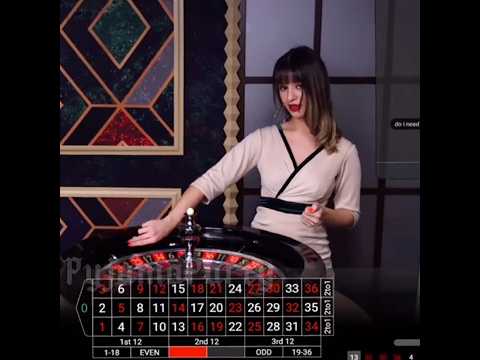
A live casino is a digital platform that streams real-time table games from a professional studio, directly to your device. This format allows you to interact with a human dealer and place bets through an on-screen interface, replicating the brick-and-mortar experience. The primary benefit is the ability to enjoy authentic gameplay and social interaction from home, without relying on random number generators.
What Exactly Is a Live Casino and How Does It Work?
A live casino bridges the gap between online play and a physical venue by streaming a real human dealer in real-time from a professional studio or actual casino floor. You place your bets through a digital interface on your screen, while the dealer handles physical cards, a roulette wheel, or dice, all captured by multiple high-definition cameras. Optical character recognition technology then instantly translates the physical outcome into digital data, updating your bet and balance automatically. This creates a seamless, interactive experience where you can chat with the dealer and often other players. The core difference from standard online games is that there is no random number generator dictating results —the action is organic, driven by genuine chance. You are essentially playing a real table game through a video call, not a simulation.
The Real Difference Between Streaming a Dealer and Playing a Video Slot

The real difference between streaming a dealer and playing a video slot lies in the game’s core mechanism. A video slot relies entirely on a Random Number Generator (RNG) to determine each spin’s outcome independently, with no human element involved. In contrast, streaming a dealer connects you to a real person who physically handles cards, spins a roulette wheel, or rolls dice in real time. This shifts the experience from abstract, computer-generated results to a tangible, observable process. The key distinction is human-driven, verifiable gameplay versus automated, algorithm-based randomness.
Q: Does streaming a dealer offer any practical advantage over a video slot?
A: Yes, it provides transparency—players can watch every action live, eliminating doubts about RNG fairness, and it introduces social interaction through live chat with the dealer.
Understanding the Hardware and Studio Setup Behind the Action
Understanding the hardware and studio setup behind the action reveals how a live casino achieves authentic, real-time gameplay. A professional studio is equipped with multiple HD cameras positioned to capture the dealer and table from various angles, ensuring no action is missed. Specialized optical character recognition software translates physical card values and roulette outcomes into digital data for the interface. Behind the scenes, central control rooms manage audio syncing and server streams, while dealers use custom tables with integrated chip scanners and card shoes to maintain seamless play.
- Multiple high-definition cameras provide panoramic, close-up, and overhead views.
- Optical character recognition instantly converts physical game results into on-screen data.
- Dedicated control rooms monitor and synchronize video and audio feeds in real time.
How to Choose the Right Live Dealer Game for Your Style
Choosing the right live dealer game starts with matching the game speed to your comfort level. If you prefer a slower pace, European roulette or baccarat offer extended decision times. For those who thrive on fast action, game shows or speed blackjack might better suit your style. Consider your skill tolerance: blackjack rewards strategy, while roulette is purely luck-based. Ask yourself: “Do I want to interact with the dealer or focus on the game?” Answer: If you enjoy social banter, pick a game like Dream Catcher; if you prefer focus, classic blackjack tables with minimal chat are ideal. Always test free-play modes first to gauge the dealer’s energy and table limits before committing real funds.
Comparing Classic Blackjack, Roulette, Baccarat, and Game Show Variants
When choosing a live dealer game, comparing classic Blackjack, Roulette, Baccarat, and game show variants reveals distinct skill requirements. Blackjack demands strategic decision-making, while Roulette relies purely on chance. Baccarat offers the simplest choices—bet on Player, Banker, or Tie. Game show variants like Dream Catcher or Monopoly Live prioritize entertainment over strategy, featuring bonus rounds and multipliers. To select the right fit, follow this sequence:
- Evaluate your comfort with strategy versus pure luck.
- Decide if fast-paced, simple bets (Baccarat) suit you.
- Consider if interactive, visual elements (game shows) appeal.
- Check if your budget aligns with the house edge for each game.

What to Look for in Bet Limits, Side Bets, and Table Speed

When evaluating a live casino game, scrutinize minimum and maximum bet limits to ensure they match your bankroll size and playing duration. For side bets, check the payout odds and house edge—avoid those with exceedingly high vigors, as they often drain funds faster. Table speed dictates how many hands or spins occur per hour; faster tables suit aggressive players, while slower paces allow for careful side-bet evaluation. Always confirm that side bets are optional and not forced, and that the speed setting aligns with your decision-making comfort.

Match bet limits to your budget, prioritize low-edge side bets, and choose a table speed that supports your strategic pace.
Key Features That Elevate the Live Experience

The most defining feature that elevates a live casino is the real-time interaction with a human dealer, creating a social atmosphere impossible to replicate with standard RNG games. This is amplified by multiple HD camera angles that let you see every card dealt or roulette wheel spin from the perfect viewpoint. The ability to chat directly with the dealer and fellow players transforms the screen into a lively table, where a sense of shared anticipation hangs in the air. Furthermore, features like customizable betting limits and side bets let you tailor the pace and stakes to your comfort, ensuring the thrill stays accessible and personal without being overwhelming.
The Role of Multiple Camera Angles, Slow Motion, and Touchscreen Betting
Multiple camera angles transform the live casino floor, offering dynamic close-ups of the dealer and table that mimic a cinematic broadcast. Slow-motion replays then let you scrutinize a crucial card or roulette spin, adding critical visual verification to the action. Touchscreen betting streamlines participation, allowing instant chip placement with a single tap. This trio ensures you never miss a split-second decision or potential win, creating a deeply immersive and transparent betting environment.
How Chat with the Dealer and Other Players Adds to the Fun
Interacting via live dealer chat transforms passive viewing into a shared social ritual. You can ask the dealer for a card shuffle or a quick rule clarification, instantly bridging the digital divide. Banter with fellow players over a lucky win or a near-miss recreates the camaraderie of a physical table, making each hand feel less solitary. This real-time dialogue injects personality into the game, letting you celebrate together or share a collective groan at a bust, thereby deepening the emotional investment in every round.
Practical Tips for Getting the Best Performance and Connection
For optimal live casino performance, always use a wired Ethernet non gamestop casino connection instead of Wi-Fi to eliminate latency spikes. Close all background applications and streaming services to dedicate bandwidth exclusively to the dealer feed. A device with at least 8GB of RAM and a recent-generation processor ensures smooth video rendering without stuttering. Run a speed test first; latency below 30ms is critical for real-time interaction, while download speeds above 25 Mbps handle high-definition streams. Adjust your streaming quality to 720p in settings if your connection is inconsistent—this balances clarity with stability. Even a momentary frame drop can disrupt the rhythm of a hand, so prioritize connection integrity over visual fidelity. Keep your gaming device’s operating system and browser or app updated to avoid compatibility issues with the casino’s server protocol.
Optimizing Your Internet Speed and Device Settings for Smooth Streams
For smooth live dealer action, start by running a speed test to confirm you have at least 10 Mbps download. Connect your device directly to the router via ethernet for the most stable connection. Optimizing your internet speed and device settings is key; close background apps and streaming services hogging bandwidth. On your device, lower the video quality in the live casino settings if you notice buffering. Finally, follow this sequence: optimize Wi-Fi placement, then test connection, then tweak stream settings.
- Move your router closer to your gaming setup.
- Switch your phone or PC to a 5GHz Wi-Fi band.
- Disable VPNs or cloud backups during play.
When to Use Desktop vs. Mobile for a Seamless Session
For a seamless session in live casino, choose a desktop for multi-tabling and complex bets. A large screen, stable wired internet, and a full keyboard let you manage multiple game windows, place side bets quickly, and track dealer moves without lag. Switch to mobile for on-the-go play, but only with a strong Wi-Fi or 5G signal to avoid disconnections. Follow this sequence for the best experience:
- Use desktop when playing two or more tables simultaneously.
- Use mobile only for a single live game during short breaks or commuting.
- Close unused apps on either device to free processing power for low-latency streaming.
How to Manage Your Bankroll and Time in a Live Setting
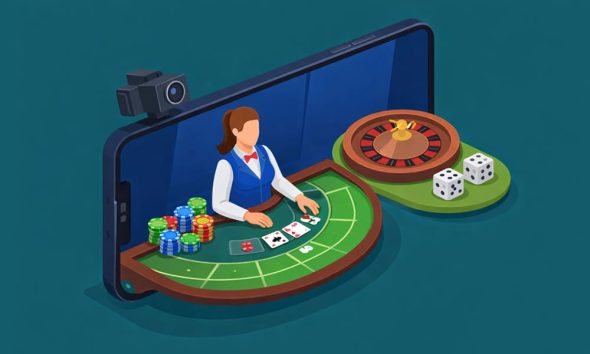
In a live casino, managing your bankroll starts with pre-session limits—decide exactly how much money you are willing to lose before you join a table. Allocate that sum into smaller, per-round bets so you can weather bad streaks without busting. For time management, set a strict stopwatch before you log in; live games move fast with real dealers, so it is easy to lose track of hours. Never chase losses by raising your bets or extending your session—this is the fastest way to break your budget. Use the live chat sparingly; focus on the table action and your pre-set limits. Treat each session as a fixed event: once your bankroll is gone or your timer rings, walk away immediately.
Setting Stop-Losses and Session Limits When the Dealer Is Watching
When the dealer is watching in a live casino, setting strict stop-losses and session limits becomes a critical act of pre-commitment against emotional escalation. The human dealer’s presence reinforces social pressure, making it harder to walk away mid-hand, so you must define your loss ceiling and time cap before you even log in. Visible adherence to these limits, even when tempted by a “hot streak,” trains you to treat the dealer’s scrutiny as a neutral observation rather than a challenge. Every session should trigger an automatic logout once your loss threshold or maximum duration is reached, preventing the dealer from witnessing you chase bets. This discipline transforms the dealer’s gaze from a distractor into a reminder to execute your pre-set rules.
Stop-losses and session limits shield your bankroll from the dealer’s watchful pressure by forcing you to leave before emotional momentum takes over.
Why Slow Game Pace Can Be Either a Benefit or a Drain
In a live casino, a slow game pace cuts both ways for your bankroll and time. As a benefit, it lets you analyze each hand before acting, reducing impulse bets and stretching your session. The drain hits when dealers pause for chatty players or lengthy payouts—this can erode your hourly focus and tempt you into side bets just to fill the silence. To turn sluggish rounds into an advantage, follow this sequence:
- Use downtime to review your bankroll and reassess table limits.
- Step away for a quick breather before the next hand.
- Set a mental timer; if the pace frustrates you, cash out early.
Common Misconceptions and Questions New Players Have
New players often assume live casino dealers can control outcomes, but in reality, physical cards and real-time equipment ensure randomness, not skill. A common question is whether you can “practice” without money—most tables require real bets to join, unlike digital slots. Many also misunderstand chat features, thinking they distract the dealer, yet professional croupiers are trained to interact without slowing the game. Timing your bet placement is trickier than it looks, as missed windows can lock you out mid-round. Finally, stream delays are normal, not cheating—your bets sync with the physical table, not your screen. Focus on etiquette and pacing, not superstition, to avoid rookie confusion.
Are the Shuffles and Card Outcomes Really Fair in Real Time?
New players often suspect card outcomes are rigged mid-play, but live casinos use real-time shuffle verification to ensure fairness. Physical decks are shuffled by a dealer on camera, then inserted into a continuous shuffling machine (CSM) that randomizes cards between rounds. The odds remain mathematically constant regardless of previous results, as each hand is independent. The CSM’s mechanics are audited by independent testing agencies, and the live stream lets you watch every shuffle unfold. Q: Can the dealer physically cheat during a shuffle? A: No—dealer movements are monitored by multiple ceiling cameras, and any suspicious gesture pauses the game for review. This transparency means you are witnessing random, real-time outcomes.
Can You Speed Up a Rounds, and Do Dealers Take Requests?
You cannot speed up a live casino round, as the table follows a fixed, real-time rhythm. Dealers do not take requests to accelerate the betting or dealing phases because the pace is standardized to ensure fairness for all players. If you need a faster game, you must select a dedicated “speed” or “lightning” variant from the lobby instead. Dealers will, however, take reasonable requests for game presentation, such as adjusting the camera angle or repeating the result announcement. The logical sequence is: first, accept the fixed round duration; second, request only non-gameplay changes; third, leave the table if the pace does not suit you.
- Accept that round speed is non-negotiable—dealers cannot rush the shuffle or betting window.
- Request only visual or audio adjustments (e.g., clearer chip visibility) during idle moments.
- Leave the table or switch to a faster variant if the standard pace feels too slow.
